
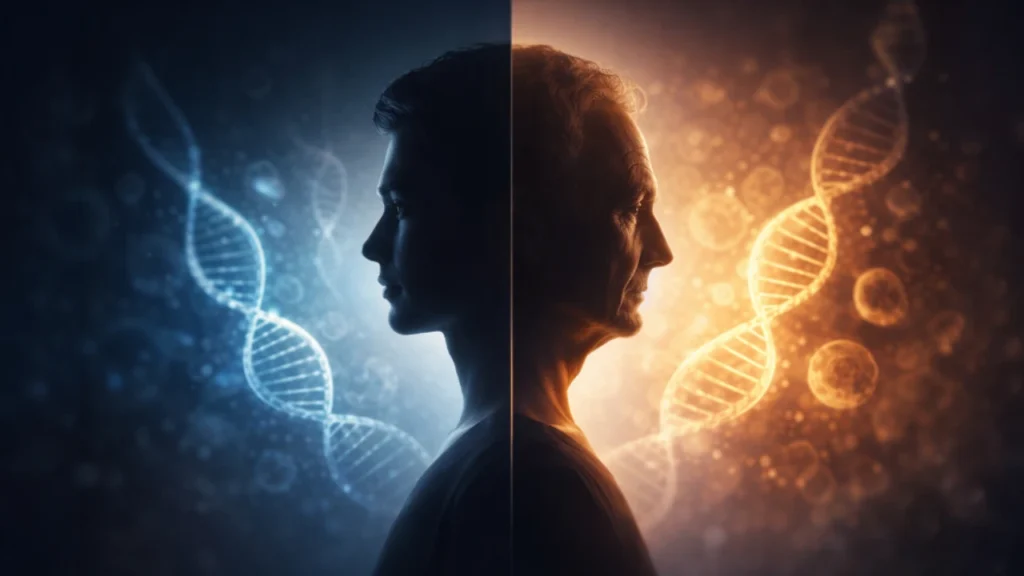
For the first time in history, scientists aren’t just talking about treating diseases of old age.
They’re talking about slowing down the ageing process itself.
Not reversing it.
Not stopping it.
But slowing it down.
That alone is enough to grab attention.
Still, like many breakthroughs that seem too good to be true, there’s a catch—and the details matter.
What Scientists Actually Mean by “Slowing Ageing”
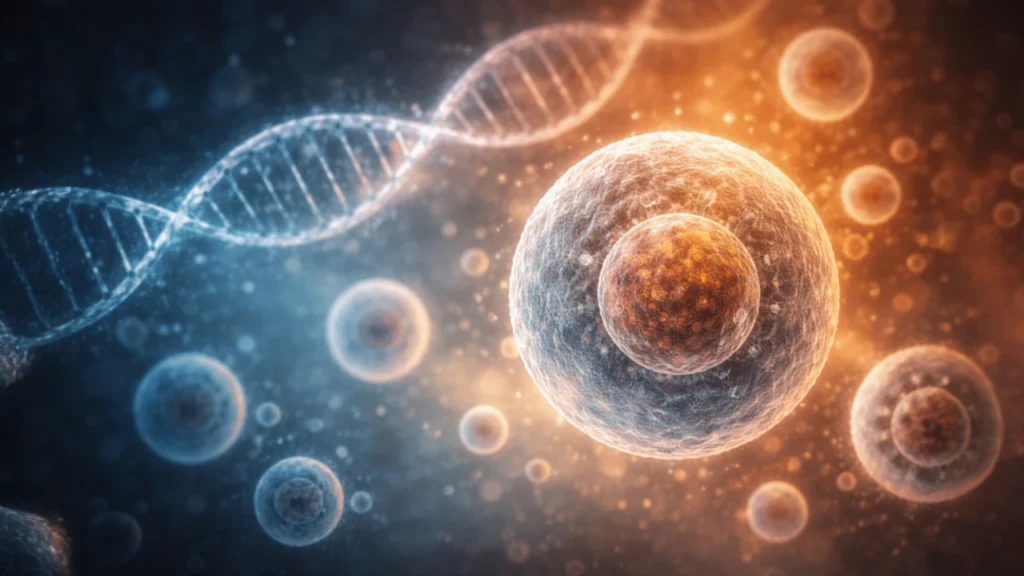
Ageing isn’t just wrinkles or grey hair.
At a biological level, it’s about cells losing their ability to repair themselves.
Over time:
- Cells stop dividing properly.
- DNA damage builds up
- Inflammation increases
- Organs slowly lose efficiency.
Recent studies show that targeting specific cellular processes can delay this decline — at least in controlled experiments.
And yes, the results are real.
The Breakthrough That Got Everyone Talking
Scientists have been experimenting with:
- Senescent cells (old cells that no longer function well)
- Cellular cleanup processes
- Metabolic pathways linked to longevity
In animals, modifying these systems led to:
- Longer lifespans
- Delayed age-related diseases
- Improved physical function at older ages
In short, the body stayed “younger” for longer.
Sounds incredible.
And it is.
So What’s the Catch?
There isn’t just one.
There are several.
1. Most Results Are From Labs — Not Humans
The biggest limitation?
A lot of success comes from:
- Mice
- Worms
- Lab-grown cells
Human biology is far more complex.
What works safely in animals doesn’t always translate to people.
Extreme environments like long-term space exposure show just how quickly the human body begins to break down when gravity, radiation shielding, and normal biological conditions are removed.
2. Slowing Ageing Isn’t the Same as Living Forever
This isn’t immortality.
At best, current research suggests:
- Better health in old age
- Delayed onset of diseases like diabetes or heart issues
- Slight extensions in lifespan
You still age.
You just do it more slowly.
3. There Are Trade-Offs
Some methods that slow ageing also:
- Affect fertility
- Alter immune responses
- Change metabolism in unpredictable ways
Slowing one process can stress another.
The body is a balancing act.
4. Access Won’t Be Equal
Even if effective therapies arrive:
- They may be expensive.
- Heavily regulated
- Available only to a small group at first
Longevity science raises ethical questions that have yet to be fully answered.
Why This Research Still Matters (A Lot)
Here’s the important part.
Even if slowing ageing doesn’t mean living longer —
It could mean living better.
Imagine:
- Fewer years spent sick.
- More independence in old age
- Lower healthcare burdens
For many people, that’s more valuable than extra years.
Genetic differences in immune response help explain why some people experience less inflammation and stress on the body over time.
Can You Slow Ageing Right Now?
No pill.
No shortcut.
But science already agrees on a few things that influence ageing:
- Consistent sleep
- Regular movement
- Balanced nutrition
- Lower chronic stress
Not exciting.
But incredibly effective.
The future may bring targeted therapies.
For now, the basics still matter most.
What This Means for the Future
Ageing is no longer seen as untouchable.
It’s becoming something science can influence — carefully.
The real breakthrough isn’t eternal life.
It’s redefining what old age looks like.
Final Thought
Slowing ageing is no longer science fiction.
But it’s also not a miracle cure.
The catch reminds us of something important:
Biology doesn’t give free upgrades.
If you could slow ageing — but not stop it — would you take it?
(That debate is just getting started.)