

You know the moment.
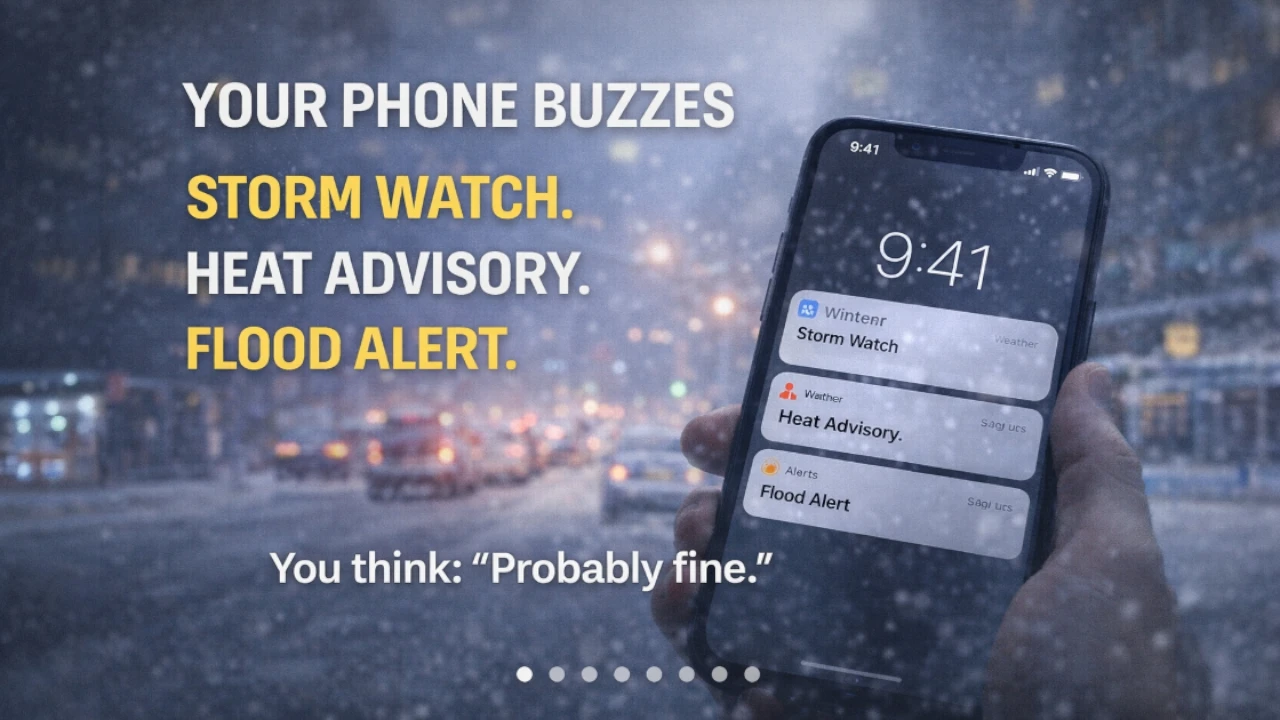
Your phone buzzes.
Winter storm watch.
Heat advisory.
Flood risk.
You glance at it and think,
“Eh… probably fine.”
And then—boom.
Power’s out. Roads are a mess. Everyone’s scrambling.
So why do we keep doing this?
Because We’re Wired to Think “Not Me”
Most of us carry quiet main-character energy.
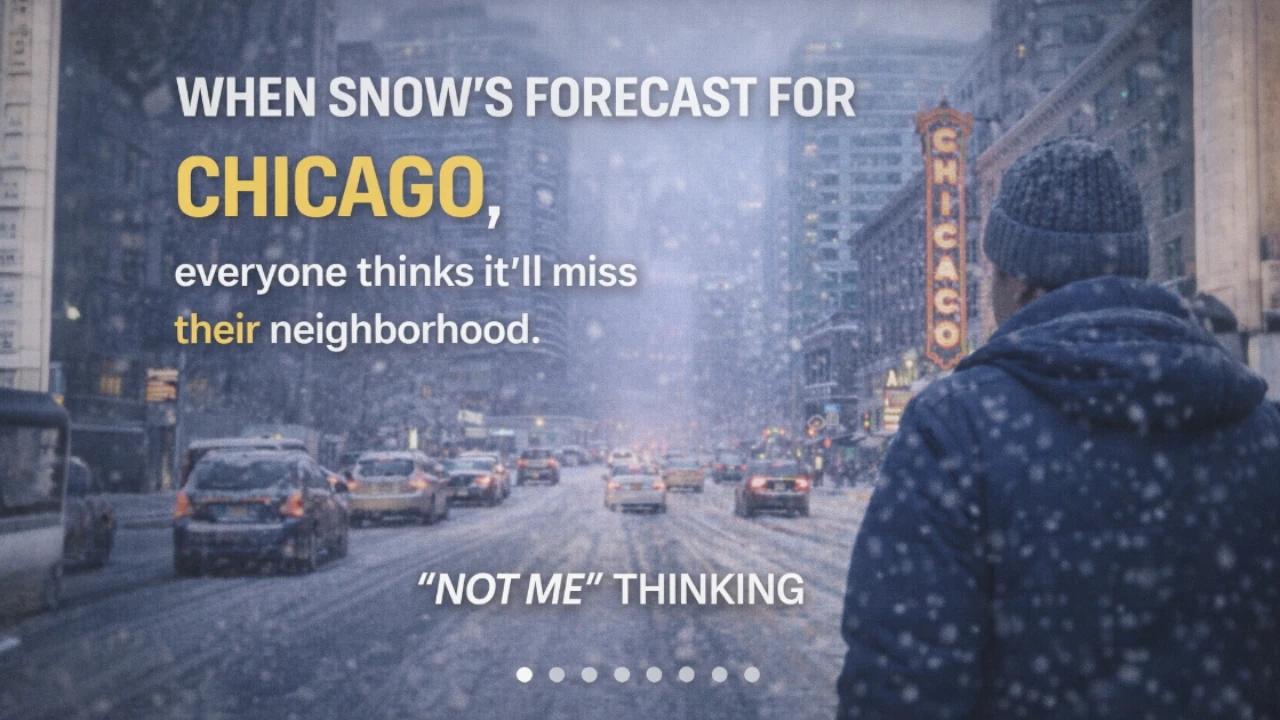
When a storm warning hits Chicago, people in the suburbs assume it’ll be worse downtown.
When a hurricane track shows Miami, folks north of the city tell themselves, “We’ll just get rain.”
Psychologists call it optimism bias.
Regular people call it “I’ll be good.”
Until you’re not.
False Alarms Ruined the Vibe
Let’s be honest.
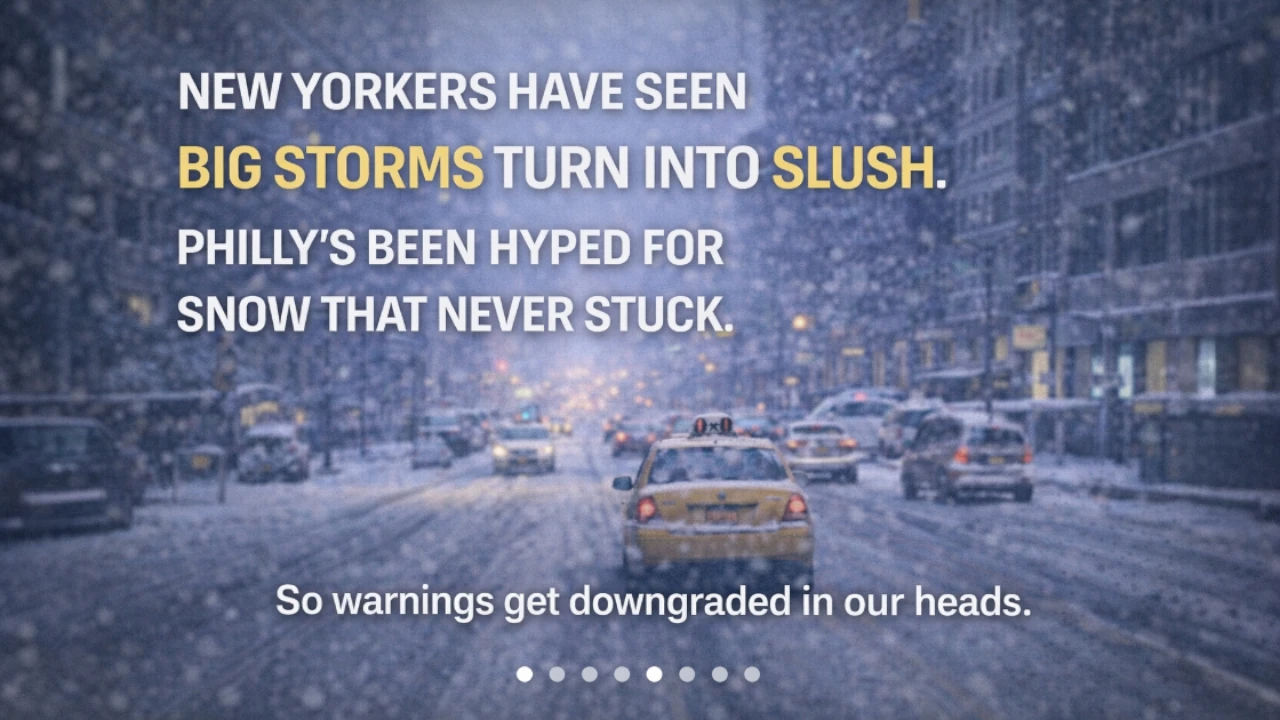
New Yorkers have seen “major snowstorms” turn into slush by lunchtime.
Philly has heard “historic totals” that barely stuck.
So your brain files warnings under:
“Seen this movie. Didn’t impress me.”
The problem?
The one time it’s real, you treat it the same way.
Warnings Feel Fake Until They Hit Your Block
“Potential flooding.”
“Possible outages.”
“Travel impacts expected.”
That language feels distant.
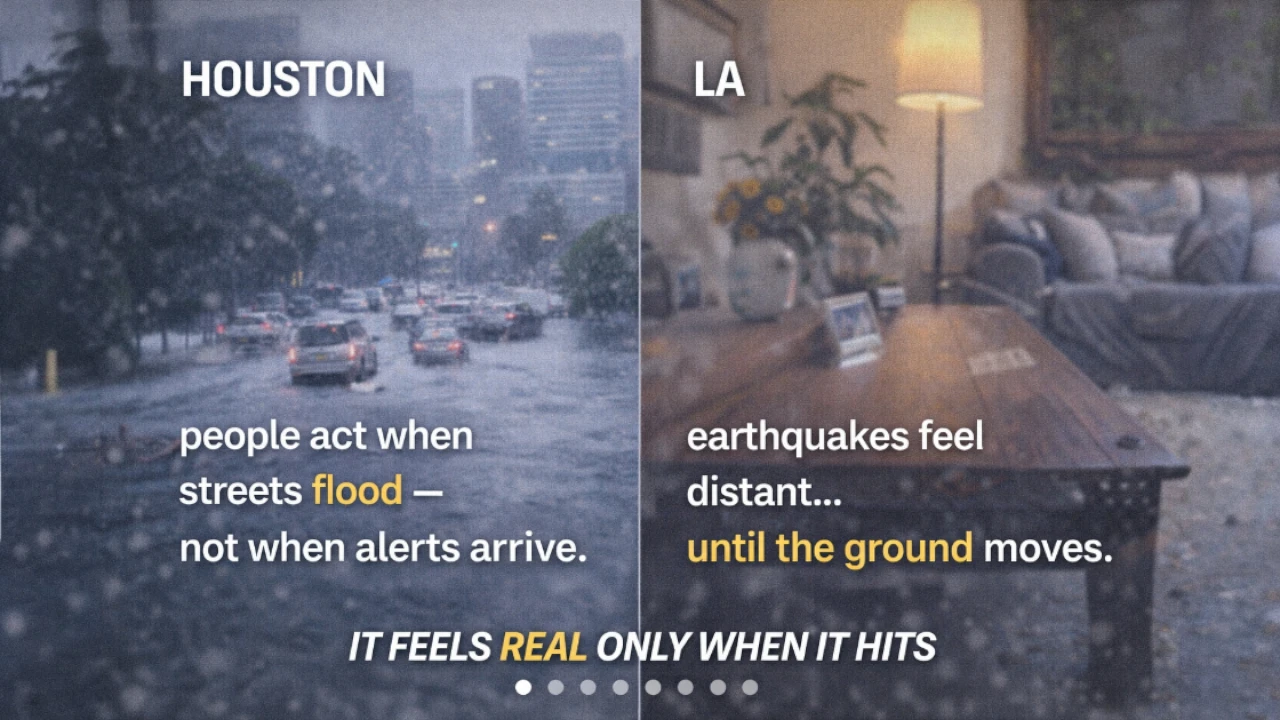
In Houston, people move when the street floods — not when the alert arrives.
In Los Angeles, earthquakes feel theoretical… until the floor shakes.
Humans don’t react to potential.
We react to oh damn.

Everyone Else Looks Chill, So You Stay Chill
This one’s huge.
If nobody in your group chat is freaking out, neither are you.
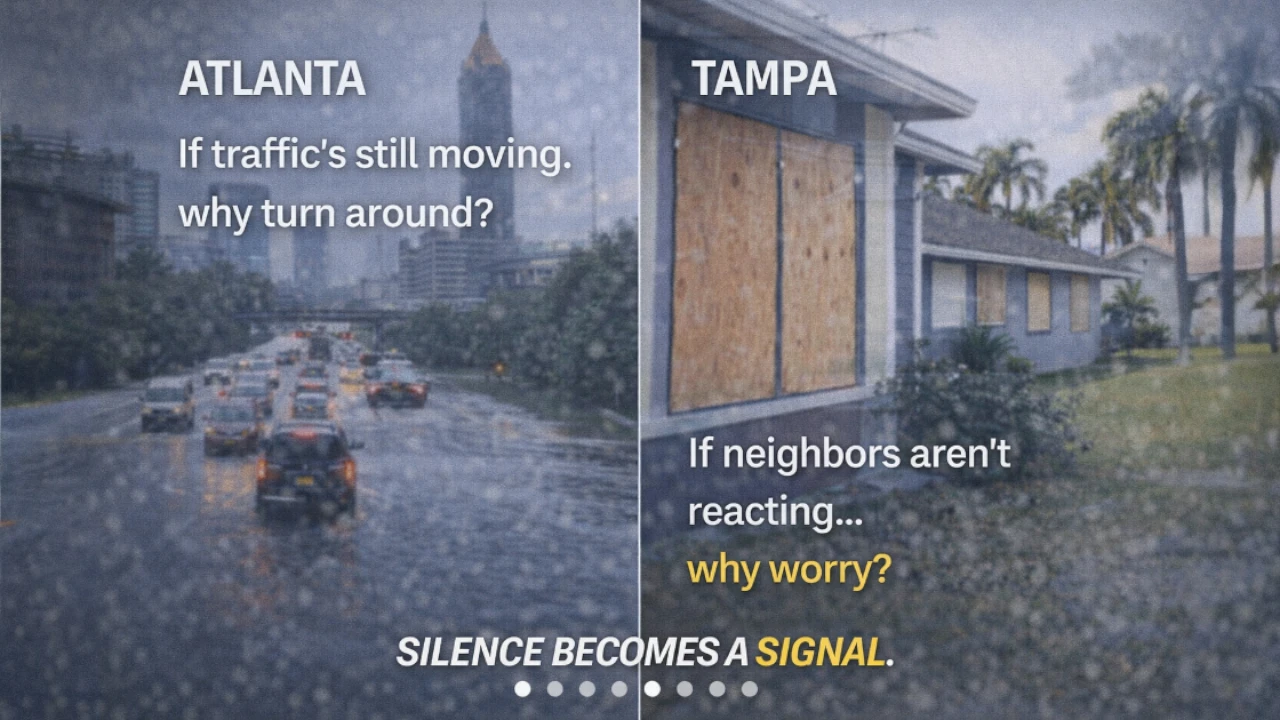
If traffic’s still moving in Atlanta, why turn back?
If your neighbors aren’t boarding windows in Tampa, why would you?
We follow the crowd — not even knowing the crowd is wrong.
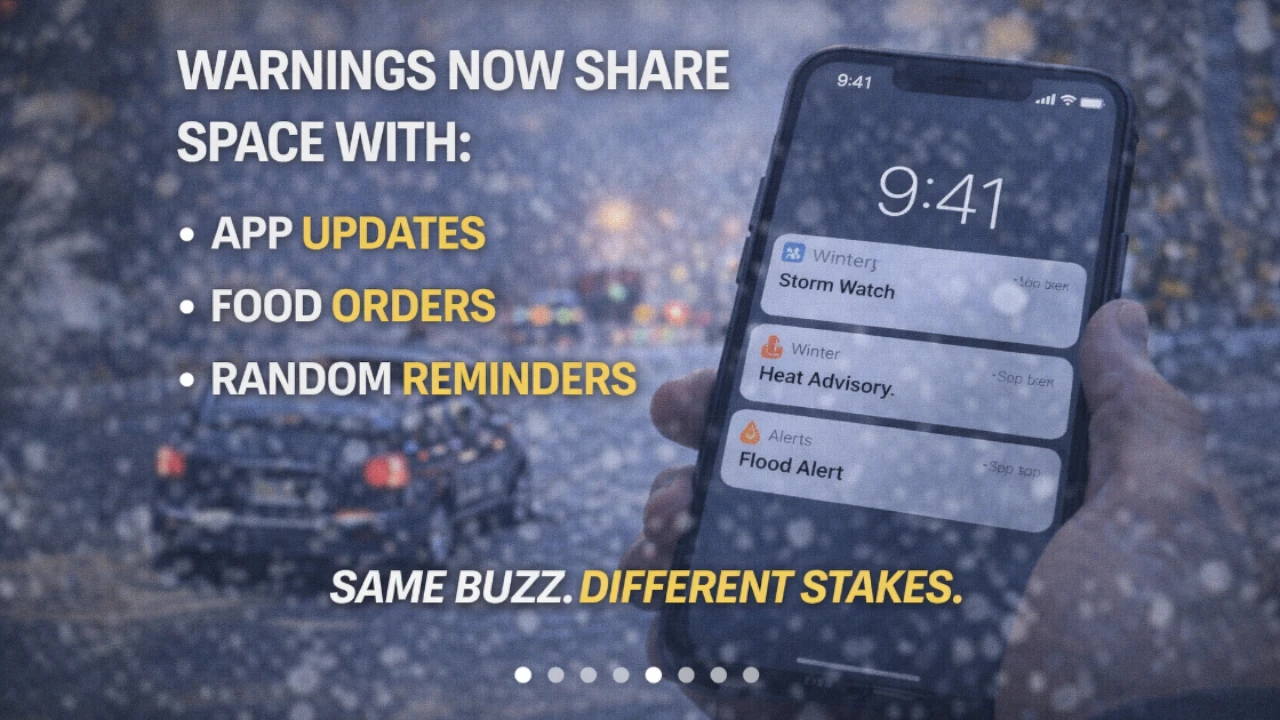
Phones Killed Urgency
Warnings used to sound like sirens.
Now they sound like your DoorDash notification.
Same buzz. Same screen.
Your brain goes:
“I’ll deal with this after one more thing.”
That’s how “later” turns into “too late.”
The Real Reason
Ignoring warnings doesn’t mean people are dumb.
It means:
- We trust the normal more than change.
- We hate interrupting our day.
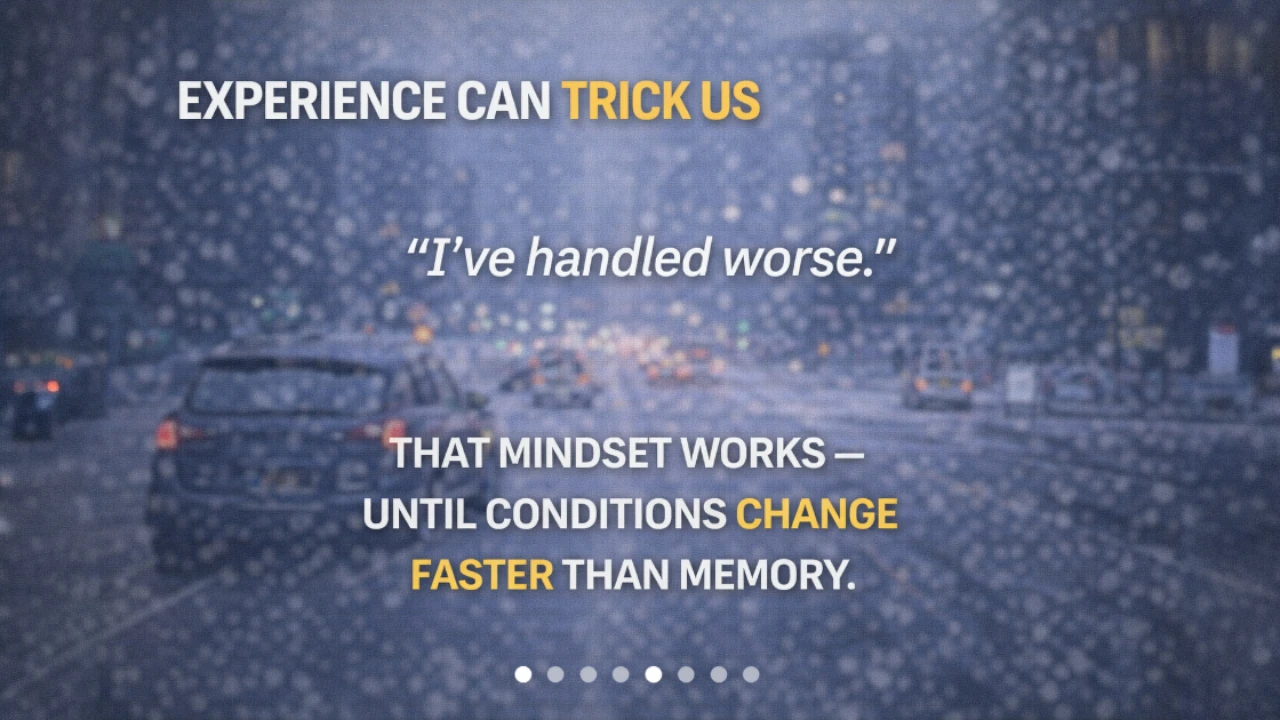
- We believe experience = safety.
Until conditions shift.
And lately?
They shift fast.
The One Question That Actually Helps
Next time a warning pops up, don’t panic.
Just ask:
“If this does hit my city — Newark, Philly, Dallas, Denver — will I wish I’d done one small thing earlier?”
Charge the phone.
Skip the drive.
Grab supplies.
That’s it.
Warnings aren’t asking you to freak out.
They’re asking you not to gamble.
And most regrets start with,
“I thought I had more time.”