Some matches are remembered for nail-biting finishes.
Some for big totals.
And then there are those games that quietly shift how a player is seen.
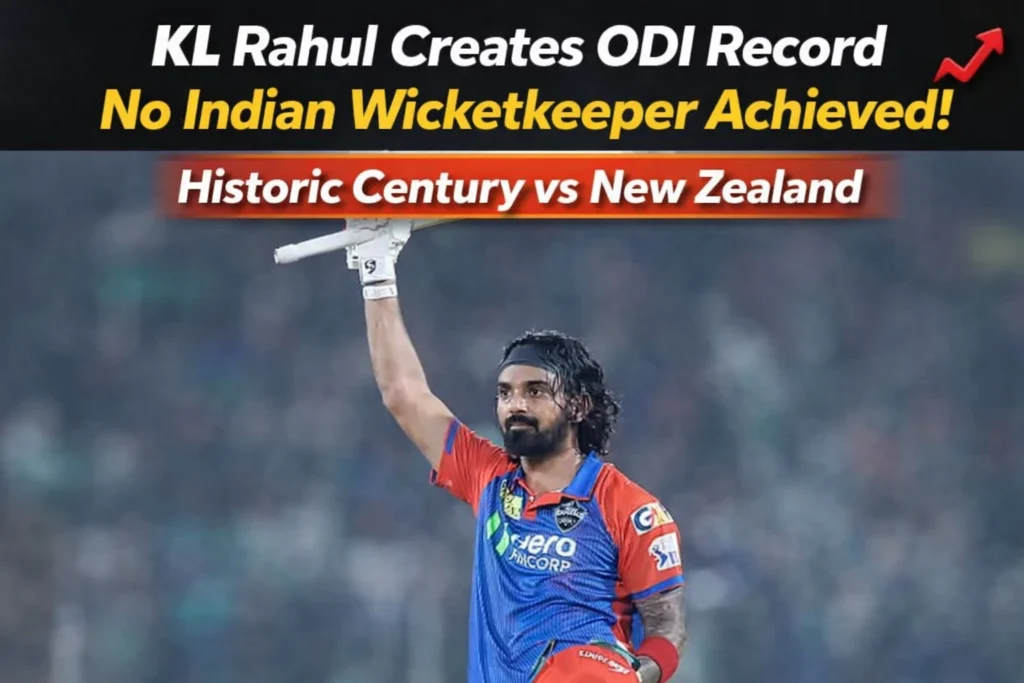
The 2nd ODI between India and New Zealand was one of those nights — not loud, not chaotic — but significant. And at the heart of it stood KL Rahul, doing what he does best when the noise fades: steadying, shaping, and finally redefining records.
A Match That Needed Composure, Not Chaos
India batting first found themselves in a familiar modern ODI situation: decent starts, intermittent wickets, and the pressure to finish strong.
There was no collapse, but there wasn’t free flow either. New Zealand’s bowlers kept things tight, forcing India to earn every run instead of gifting momentum.
This is where KL Rahul’s innings quietly took control.
Not rushed.
Not flashy.
Just assured.
He rotated strike when needed, punished loose balls, and allowed others around him to play with freedom. As overs slipped by, his knock began to feel less like an innings and more like an anchor holding the batting together.
By the time India crossed into a competitive total, Rahul was unbeaten — and the innings made sense.
Why Rahul’s Century Was Different
Centuries happen often in ODIs now.
But this one mattered more than it looked.
KL Rahul’s hundred came without theatrics — no exaggerated celebrations, no excessive risk. Just timing, patience, and presence.
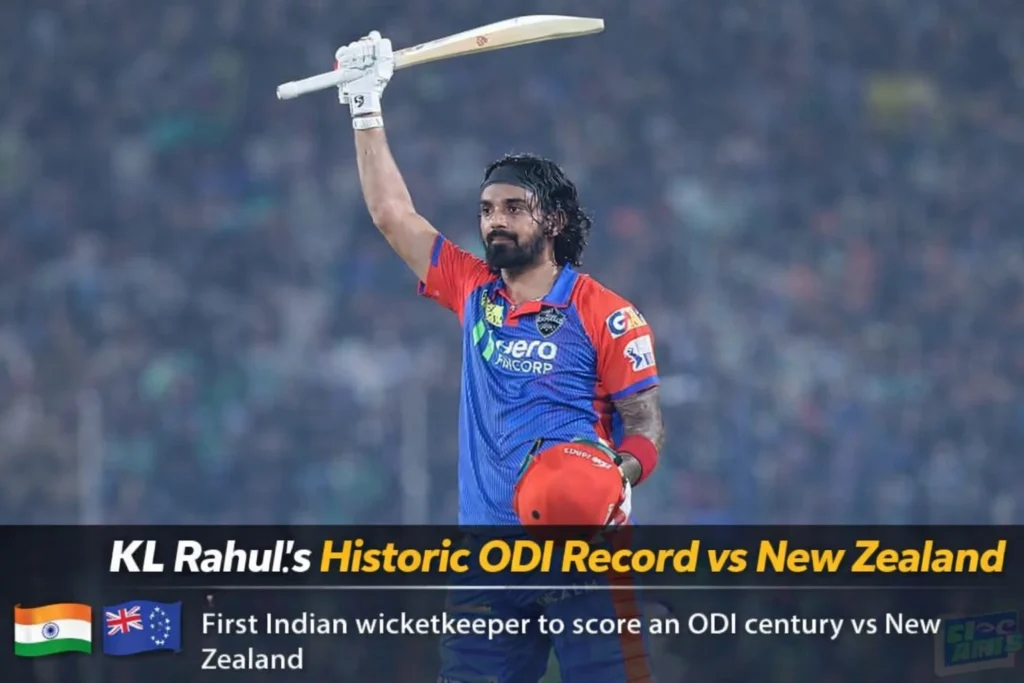
And in the process, he achieved something no Indian wicketkeeper had ever done before:
- He became the first Indian wicketkeeper to score an ODI century against New Zealand
- He achieved it at a venue where no Indian batter had previously scored an ODI hundred
- And he did it in a manner that reminded everyone why teams trust him in pressure roles
What makes this feat stand out is the company it puts him above — including names like MS Dhoni and Rishabh Pant. Not because Rahul is “better” than them, but because cricket rewards situational mastery in unexpected ways.
New Zealand’s Reply: Calm Under the Chase
New Zealand’s chase reflected their identity — measured, disciplined, and unfazed by conditions.
Instead of chasing the target in bursts, they built partnerships. Instead of forcing shots, they waited for moments. The middle overs were controlled, not dramatic, and that calm eventually paid off.
The chase didn’t overshadow Rahul’s innings — it complemented the match narrative. A game where patience beat panic, and planning beat impulse.
What This Match Says About KL Rahul’s Role
KL Rahul’s career has often been discussed in terms of potential.
This innings was about certainty.
- Certainty of role
- Certainty of temperament
- Certainty of trust
As a wicketkeeper-batter, Rahul is often judged against specialists. But this match reinforced something important: his value lies in balance. Not explosive by default. Not conservative by fear. Just reliable when the situation demands it.
And in modern ODI cricket, that kind of reliability is becoming rare.
Why This Moment Matters Going Forward
Trends in cricket don’t always arrive with fireworks. Sometimes they appear quietly, through consistency.
Rahul’s record-breaking hundred isn’t just a personal milestone — it’s a signal of how roles are evolving:
- Wicketkeepers are no longer just finishers
- Stability is making a comeback in ODI formats
- Pressure handling is becoming a premium skill again
That’s a trend worth tracking.
Final Word
The India vs New Zealand 2nd ODI will be remembered as a competitive contest.
But for many, it will be remembered for KL Rahul reminding the cricketing world that calm has its own power.
No chaos.
No drama.
Just a record rewritten, quietly.
Discover the wild stories.
TrendMowgli — Tracking the internet’s wild side.